

Nobody warns you that a body lotion can actually sting when you first put it on, and that's exactly what happened to me the first night I tried CeraVe SA Lotion for Rough & Bumpy Skin, about ninety seconds after I'd shaved my legs. I'm a labor and delivery nurse, on my feet for twelve-hour shifts in short-sleeve scrub tops, and the raised, sandpaper-like bumps on the backs of my upper arms and the fronts of my shins have been a fact of life since I was maybe fifteen. I've spent more than I want to admit on body scrubs and lotions that promised smooth skin and delivered nothing but a nicer smell in the shower.
This isn't a highlight-reel review. I want to tell you the parts that surprised me, annoyed me, and the parts I think other reviews either skip or gloss over because they only used the bottle for a couple weeks before writing something up. Some of what's here is genuinely good. Some of it, especially around the sting and the timing, deserves a clearer warning than the label gives you.
The Quick Verdict
A real, working exfoliating lotion for keratosis-pilaris-type bumps, but it stings more than people expect on shaved or irritated skin, and the payoff takes longer than the bottle lets on.
Amazon Check Today's Price →Tired of body scrubs that feel good in the shower and do nothing by the time you towel off?
CeraVe SA Lotion pairs salicylic acid with lactic acid to actually work on clogged follicles instead of just polishing the surface. Check today's price on Amazon and read the honest tradeoffs below before you commit to it.
Amazon Check Today's Price on Amazon →How I Actually Tested This
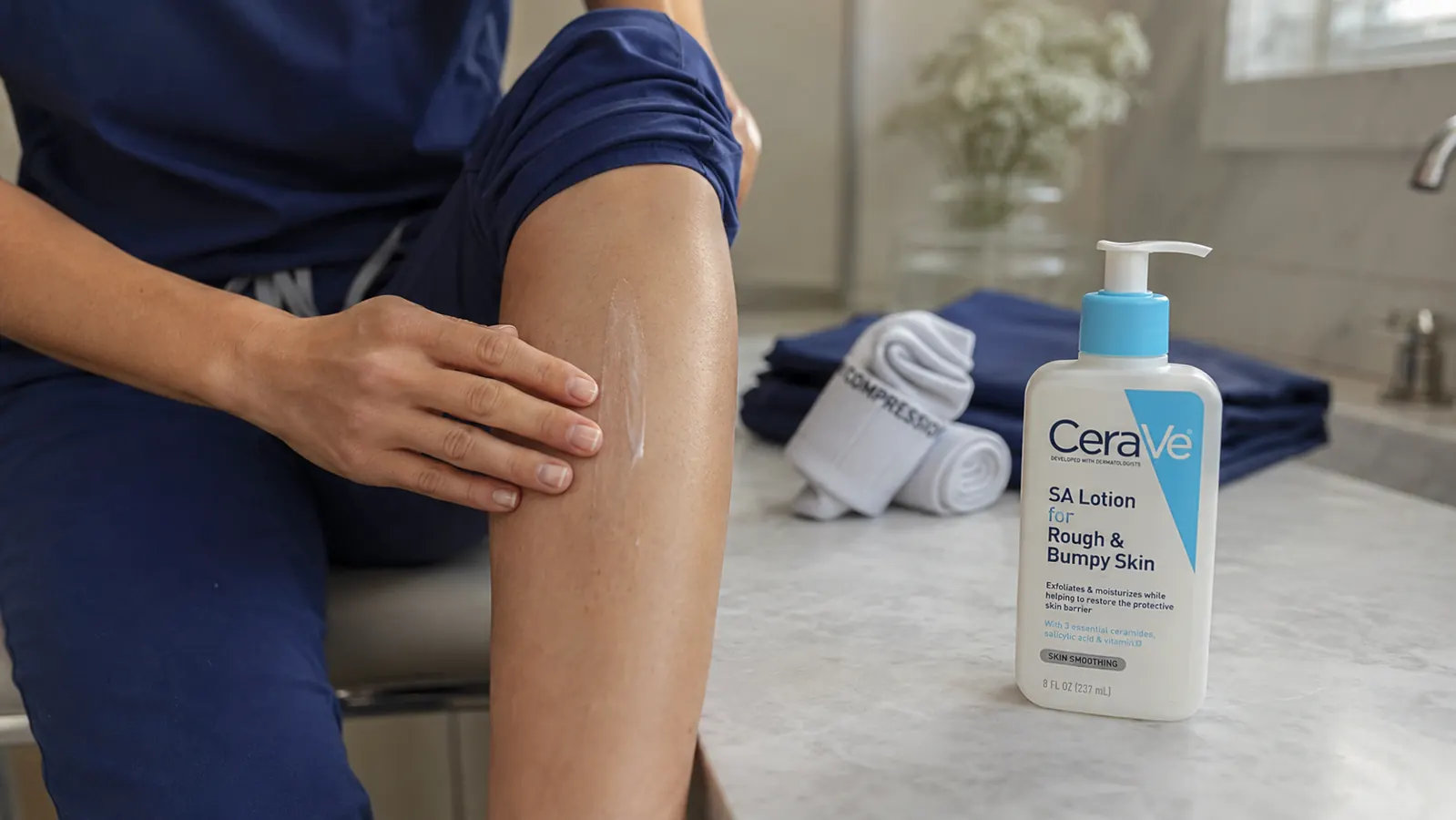
I didn't run anything close to a lab study, but I did something deliberate. For the first three weeks I only applied the lotion to my right shin, morning and night, and left my left shin doing whatever it normally does, which was nothing beyond regular body wash. Twelve-hour shifts mean my legs are under compression socks and scrub pants most of the day, so this wasn't a glamorous side-by-side, but a weekly photo under my bathroom's overhead light gave me something more honest than my memory would have.
I also did a small patch test on the inside of my forearm two nights before starting the full three-week trial, just a dime-sized amount, because a bad reaction to a new product is not something I wanted to discover across both shins and both arms at once. It stung mildly, faded within a minute, and there was no redness the next morning, which is what actually gave me the confidence to commit to the fuller test.
By the end of week three the difference between my two shins was obvious enough in the photos that I stopped the experiment and started applying it to both legs and the backs of my arms. I kept using my regular body wash, the same laundry detergent, and I didn't cut anything else out of my routine, because I wanted to know what the lotion alone was doing, not what an entire skincare overhaul was doing.
I also didn't wait for a slow week at work to start this. I began on a stretch that included four twelve-hour shifts in five days, hot showers taken fast, minimal sleep, the kind of real-life conditions most product tests conveniently skip. If it was going to work, I wanted to know it would hold up on a week where self-care wasn't exactly the priority.
The Sting Nobody Prepares You For
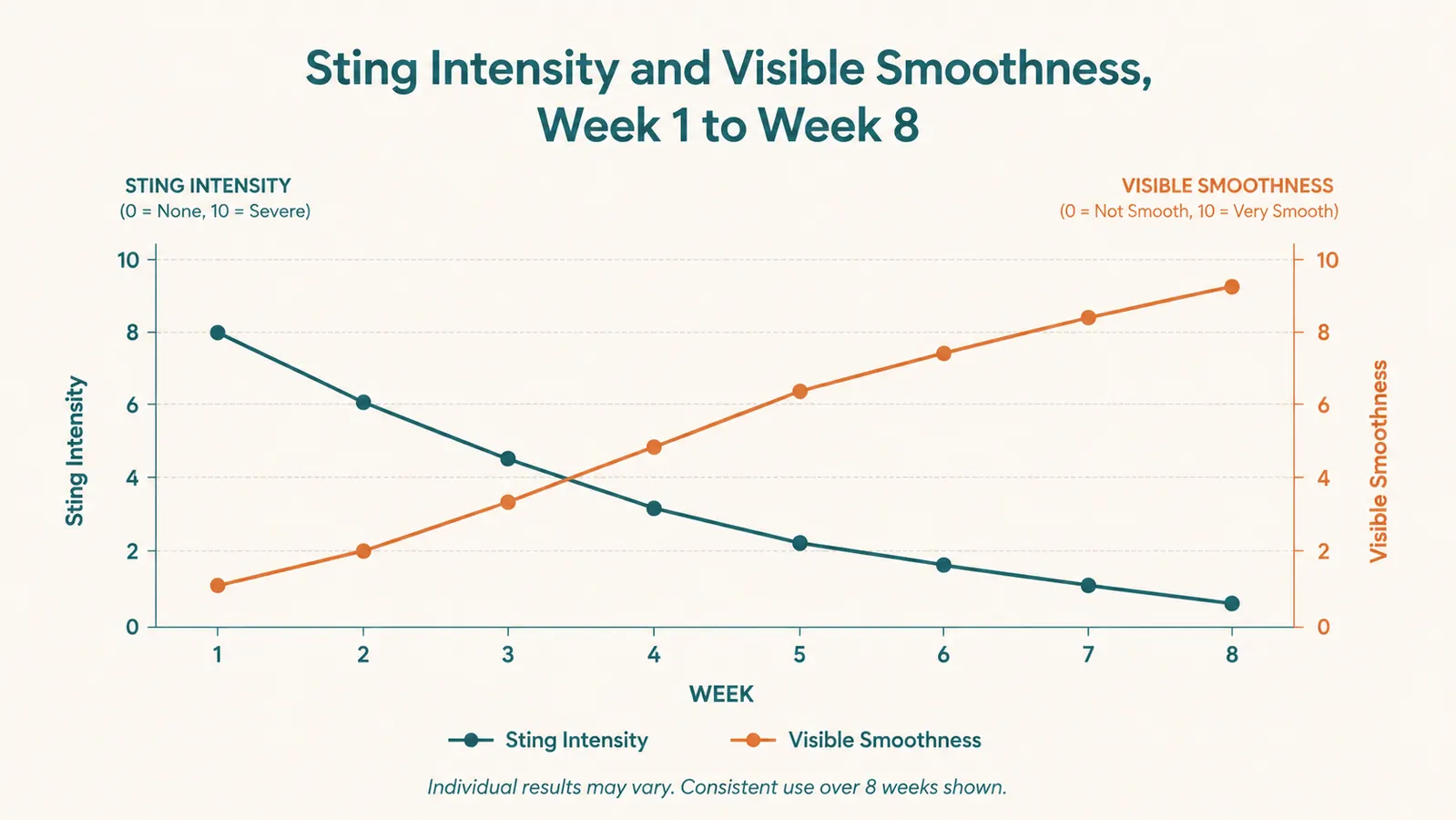
Here's the part I think gets buried in a lot of glowing reviews. The first handful of times I used this, especially on my shins right after shaving, it stung. Not a light tingle, an actual sharp sting that lasted maybe twenty to thirty seconds before fading. Nobody had told me that, and I remember standing in my bathroom the first night wondering if I'd grabbed the wrong bottle by mistake.
It settled down considerably after about a week, and by week two I genuinely didn't notice it anymore on my legs. But if you shave and then immediately reach for this, you're more likely to feel it, because you've just removed a layer of protection along with the hair. I started waiting a good twenty minutes after shaving before applying it, and that one change made a noticeable difference in comfort without changing how well it worked.
I also noticed the sting was worse the one time I applied it right after using a body wash with a built-in exfoliant, essentially stacking two active products on the same night. That combination left my shins pink and tender for almost an hour, which taught me not to double up on exfoliating products on the same day even if the label doesn't specifically warn against it.
On the backs of my arms, where I wasn't shaving anything, the sting was much milder, almost more of a light warming sensation than anything sharp. That told me the difference wasn't really about the lotion being inconsistent, it was about what kind of skin barrier it was landing on that day. If your skin is freshly shaved, freshly exfoliated, or already a little irritated, expect more sting than the calm packaging suggests.
What's Actually Doing the Work
The two acids doing the heavy lifting are salicylic acid and lactic acid. Salicylic acid is oil-soluble, so it can actually get down into a clogged hair follicle instead of sitting on the dead skin covering it, which is the real mechanical reason it does more for bumps than a sugar scrub ever could. Lactic acid works closer to the surface, loosening the buildup of dead cells that gives the skin its sandpaper feel in the first place.
There's also vitamin D listed prominently on the bottle, and I'll be honest that I couldn't feel a distinct effect from it separately from the acids. What I can say is the ceramides and hyaluronic acid earned their spot, because a formula this active could easily leave skin feeling stripped, and mine never did, even on days I was using it twice.
One thing that stood out compared to a plain moisturizing lotion is that this doesn't feel rich or creamy going on. It's thinner, almost slightly gritty in a way that isn't unpleasant but is noticeably different from a body butter or shea-based lotion. If you're expecting a luxurious, thick feel, this isn't that kind of product, and I think that catches some first-time buyers off guard.
I was also curious whether it would stain my scrub pants or bedsheets, since some active lotions do. Once it's fully absorbed, which takes closer to ten minutes than the sixty seconds some lighter lotions need, I never had an issue with staining or transfer. The catch is that ten-minute window, if you get dressed too fast you'll feel a faint tackiness against fabric even if nothing actually marks it.
How Long It Actually Takes, and the AmLactin Comparison
Before this I'd used AmLactin on and off for about a year, mostly because it was the only lactic-acid lotion I knew of at the time. It helped some, but it stung more consistently for me, every single application, not just the first week, and it never touched the bumps on my arms the way it worked on my legs. When a friend who's also a nurse mentioned this lotion had salicylic acid in addition to lactic acid, I figured it was worth trying since AmLactin alone had hit a plateau for me.
The honest timeline was slower than I expected walking in. The first two weeks, almost nothing visible changed, just less tightness after showering. Around week four I started noticing my shins looked less textured under bright bathroom light, though still rough to the touch. It wasn't until closer to week seven or eight that a coworker on my unit actually commented that my arms looked smoother, which was the first time anyone besides me had noticed.
There was also a stretch around weeks five and six where progress seemed to stall completely, and I remember being genuinely annoyed, wondering if I'd plateaued the same way I had with AmLactin. I kept going anyway because I'd committed to at least two months before making a final call, and the visible jump between week six and week eight was bigger than anything I'd seen in the four weeks before it, which made the flat stretch make sense in hindsight as more of a buildup than a stall.
I want to be clear that this didn't erase the bumps completely, and I don't think any lotion honestly does for a genetic condition like keratosis pilaris. What changed was the severity and the redness around each bump, both noticeably calmer by around the two-month mark, and that's roughly in line with what a couple of dermatology resources I read afterward said to expect, so I don't think my experience was unusually slow or unusually fast.
The Tradeoffs I Didn't Expect
The bottle goes faster than I expected once I was using it on both legs and both arms twice a day. A single bottle lasted me a little over five weeks at that pace, which is worth budgeting for if you're planning to use it on more than one small area, this isn't a product where a little goes a long way across a large surface.
There's also a slightly tacky finish for the first several minutes after applying, not greasy exactly, but enough that I learned not to pull my compression socks on right after applying it to my shins, or the fabric would drag and bunch instead of sliding on smoothly. Waiting five or ten minutes before getting dressed solved that completely, but nobody tells you to build in that buffer.
The scent is faint but noticeably medicinal, similar to a lot of salicylic acid products, not floral or fresh. It doesn't bother me, but if you're sensitive to that kind of smell, know that it's there, especially right after applying before it's fully absorbed. And I'll say plainly, it costs more per ounce than a basic drugstore lotion, which only makes sense to pay if you're actually dealing with rough, bumpy texture rather than just everyday dryness.
I was mildly self-conscious the first week about the smell showing up at work, since I apply it before an early shift and I'm in close contact with patients and coworkers all day. Nobody ever said anything, and by the time I clocked in the scent had faded enough that I don't think it was noticeable to anyone but me, but I'd still recommend giving it a solid twenty or thirty minutes before you're in a small, enclosed space with other people.
What I Liked
- Genuinely reduced bump severity and redness by around the two-month mark
- Salicylic and lactic acid combination worked where lactic acid alone, like AmLactin, had plateaued for me
- Ceramides and hyaluronic acid kept skin from feeling stripped despite regular acid use
- Absorbed fully without staining scrub pants or sheets once given a full ten minutes
- Absorbs without a greasy residue once given five to ten minutes
- Worked on both arms and legs, not just one problem area
Where It Falls Short
- Noticeable sting on freshly shaved or irritated skin, more than the label suggests
- Slightly tacky finish right after application, needs a few minutes before getting dressed
- Takes six to eight weeks for a real, noticeable change, not the fast fix some reviews imply
- Goes through a bottle faster than expected when used on multiple body areas
- Faint medicinal scent that lingers briefly after application
- Requires caution and patch testing if you're already using another exfoliating product on the same skin
The sting scared me the first night. The two-month mark is what made me actually believe it, when a coworker noticed before I'd said a word about it.
Who This Is For
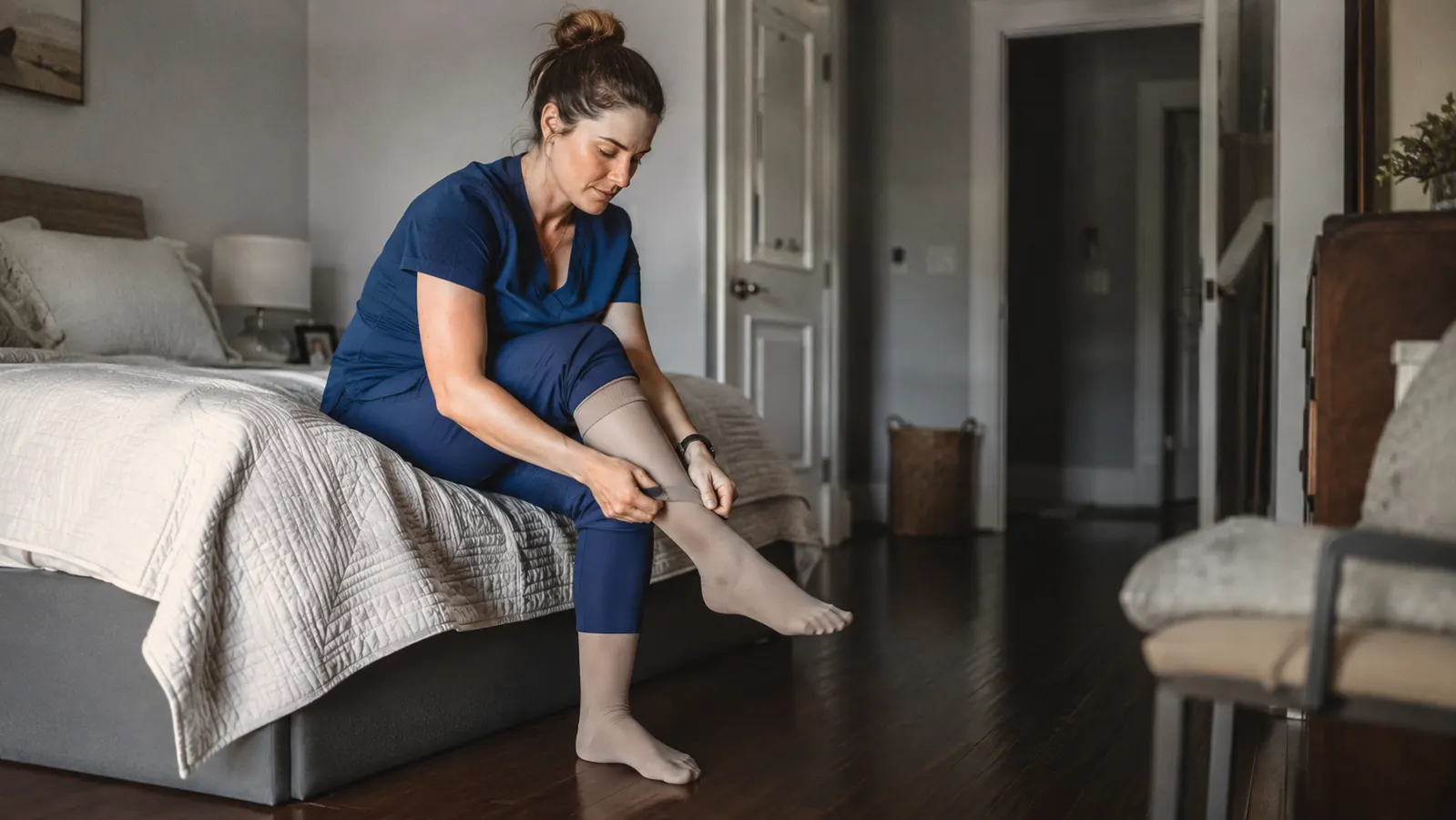
This makes the most sense for anyone with true keratosis-pilaris-style bumps on their arms, legs, or elsewhere who has already tried a plain lactic acid lotion or a body scrub and hit a plateau, the way AmLactin did for me. It's also a good fit if you're on your feet in scrubs, compression socks, or short sleeves all day and you're willing to give it six to eight weeks before judging the results, rather than expecting a quick fix from the first week. I'd also put anyone with a straightforward drugstore-scrub habit that never really worked in this category, since the acids here are doing something a scrub physically can't.
Who Should Skip It
If you have broken, cracked, or already irritated skin, hold off until it heals, the sting will be worse than what I described and it's not worth pushing through on compromised skin. If you're pregnant or breastfeeding, ask your doctor before using a salicylic acid product regularly, mine gave me the go-ahead for my own situation but that's not medical advice for anyone else. And if you want something for your face, this formula is built for body skin and is too active for most facial routines. If you're the type who wants a love-it-immediately unboxing experience, the first two stinging weeks will likely sour you before the real results ever show up.
Two months in, this is the one that finally out-worked AmLactin for me.
If a plain lactic acid lotion has plateaued and you're ready for a bit of an adjustment period, CeraVe SA Lotion is worth a real six-to-eight-week trial. Check today's price on Amazon and see if it fits your skin.
Amazon Check Today's Price on Amazon →